
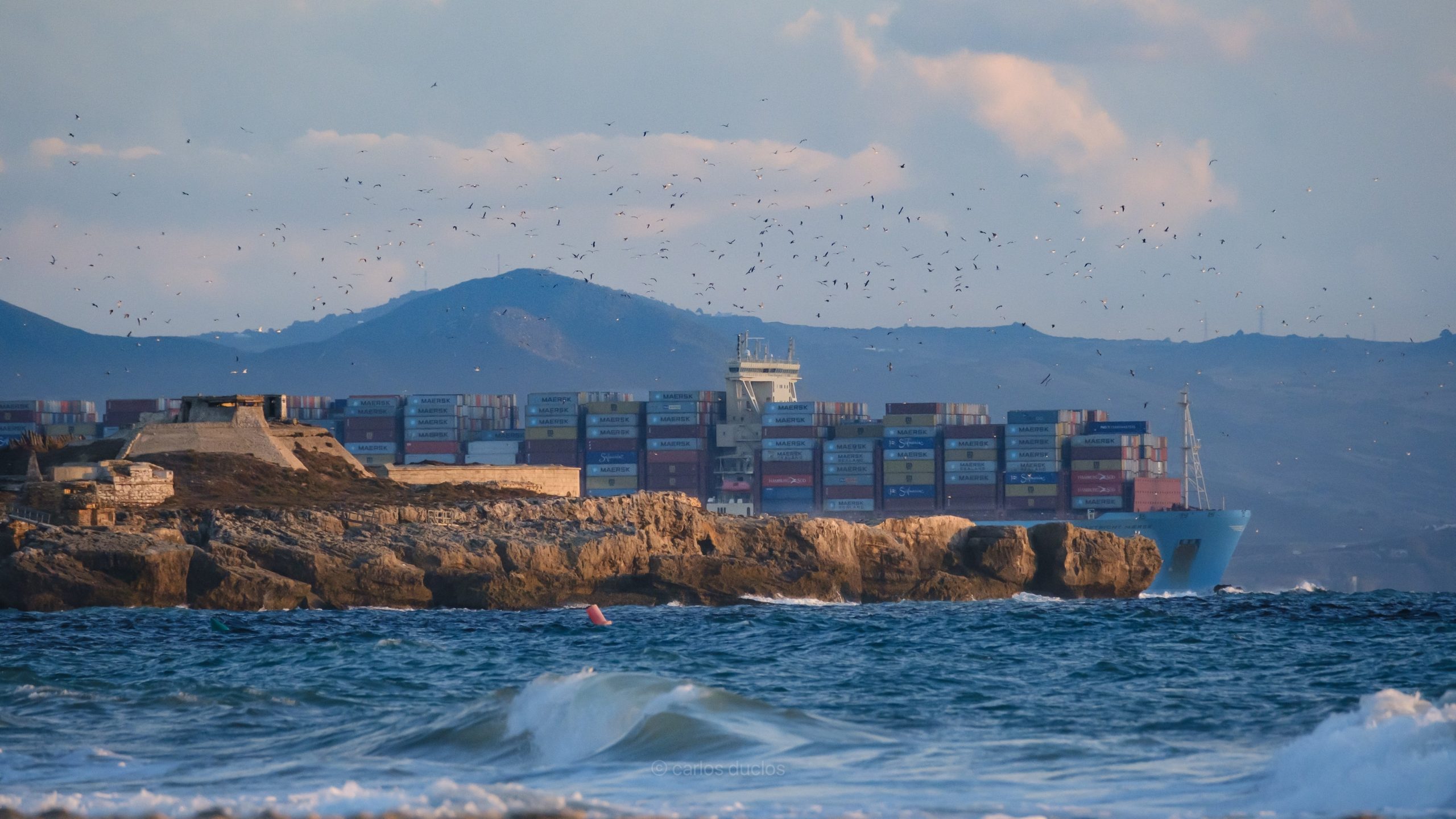
The Port Authority of the Bay of Algeciras (APBA) has participated, as a facilitating partner, in the SATMAR (Global Maritime Digital Communications Service via Satellite) project, an initiative promoted by Alén Space and Egatel aimed at validating under real operating conditions the new VDES (VHF Data Exchange System) maritime communications standard, which is expected to become the natural evolution of the AIS system currently used by the international maritime community.
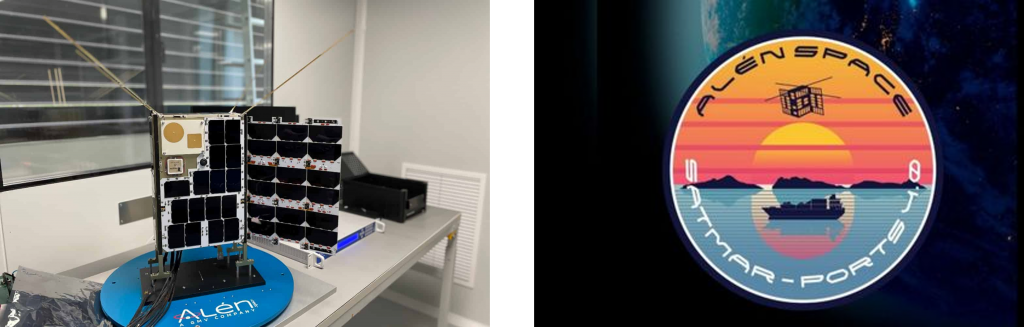
The project included the design, manufacturing, launch and operation of a nanosatellite specifically developed to evaluate the capabilities of the VDES standard for maritime satellite communications, together with the development of coastal stations and onboard terminals compatible with this technology. As a result, the project successfully demonstrated the feasibility of a complete solution capable of providing bidirectional communications, secure information exchange and connectivity in areas located far from the coast.
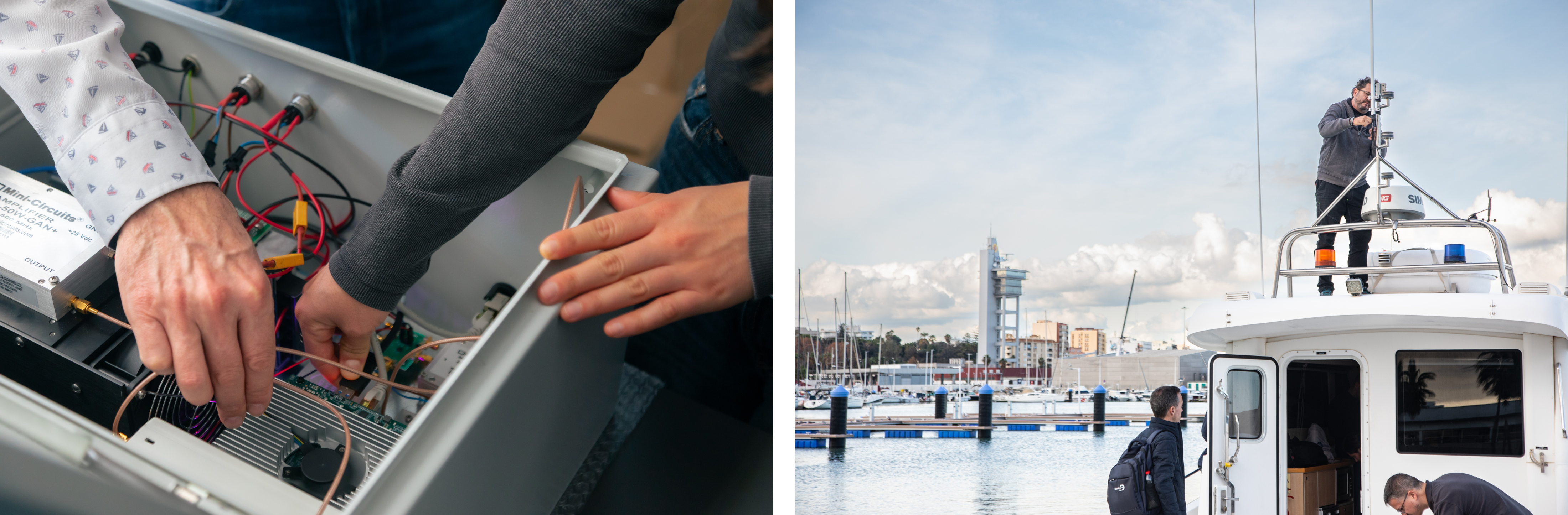
The initiative was funded by the Ports 4.0 Fund, under the Commercial Projects category, and involved the participation of several maritime-port stakeholders, including Oritia & Boreas and Hércules Control, in addition to APBA’s collaboration as a real-life environment for use case validation.
Three pilot demonstrations were carried out in the Port of Algeciras to assess different applications of the technology. The first pilot validated the transmission of data from environmental sensors located in remote areas, demonstrating the system’s capability to support meteorological and environmental monitoring services. The second pilot enabled the integration of satellite-acquired AIS information into APBA’s digital systems, verifying interoperability between terrestrial and space-based infrastructures. Finally, the third pilot demonstrated bidirectional communication capabilities between ports and vessels, facilitating the exchange of operational information to improve maritime traffic management and optimise transit times.
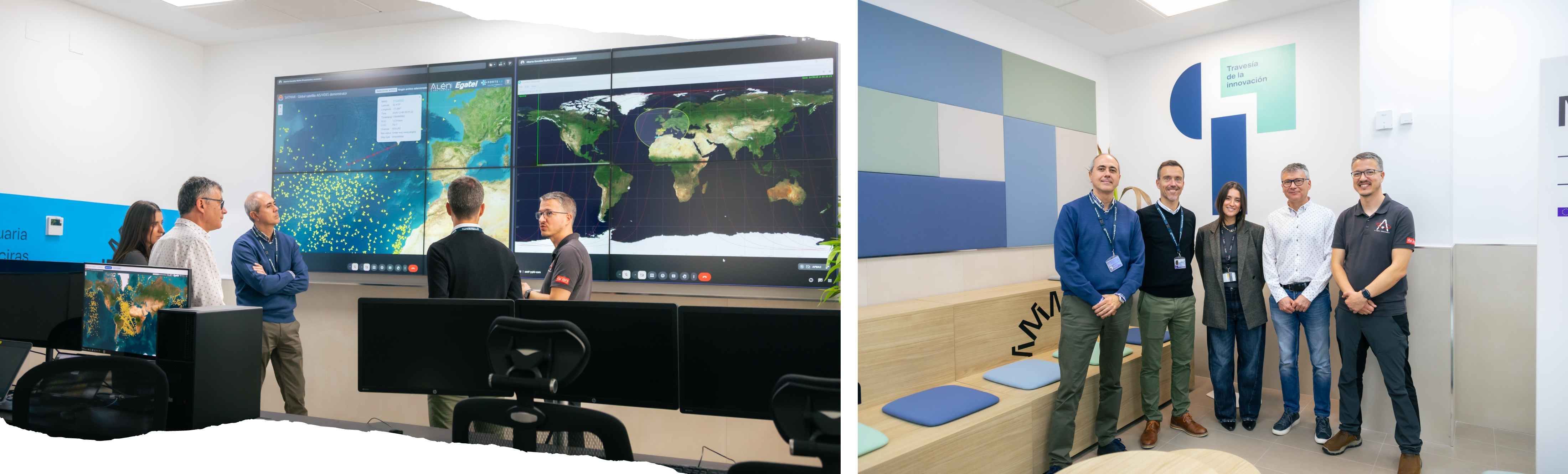
The results obtained have highlighted the potential of the VDES standard to improve maritime communications, enhance operational safety and enable new digital services capable of contributing to more efficient, sustainable and connected port management.
Project Innovatión
- In-orbit validation of the VDES standard, demonstrating its capability to advance maritime communications beyond the functionalities currently offered by AIS.
- Integration of satellite and terrestrial communications through a hybrid architecture enabling information exchange between vessels, remote sensors and port systems.
- Development and validation of bidirectional port-to-vessel communications, enabling new operational services based on continuous information exchange.
- Assessment of interoperability between AIS and VDES systems, facilitating the technological transition towards future digital maritime environments.
- Demonstration of nanosatellite-based advanced maritime services, laying the foundations for future satellite constellations aimed at the digitalisation of the maritime and port sectors.
Project deliverables
- Satellite-based VDES maritime communications system, consisting of a nanosatellite, terrestrial infrastructure and a communications management platform.
- VDES onboard terminals and coastal stations, developed to validate bidirectional communications and advanced digital services.
- AIS and VDES data integration capabilities within digital port ecosystems to enhance the monitoring and management of maritime operations.
Usability/Applications
- Remote monitoring of maritime and environmental sensors, enabling the collection and transmission of information from offshore or remote locations without the need for complex terrestrial communications infrastructure.
- Enhanced maritime traffic management, facilitating the exchange of operational information between vessels and port authorities to optimise port calls and manoeuvres.
- Improved maritime safety, through more robust communications, alert transmission capabilities and real-time availability of operational information.
- Emission reduction and route optimisation, supported by improved operational planning based on information shared between shore and vessels.
- Technological foundation for future maritime digital services, including advanced vessel tracking, intelligent fleet management and new port applications supported by satellite communications.


Leave a Reply