
The APBA’s Technological Development Area (ADT) has been working for several years with the OKR (Objectives & Key Results) methodology, a management framework through which ambitious objectives and measurable key results are defined, with both individual and collective ownership for their achievement. This tool enables (1) to translate strategic challenges into concrete goals, (2) align actions with measurable outcomes, (3) efficiently coordinate teams, and (4) foster organizational commitment. All of this supports a shared vision: implementing the concept of a Next-Generation Port of Algeciras. To achieve this, the ADT works towards objectives such as becoming operationally excellent at the Port Community level, being seamlessly integrated into global logistics chains, and establishing itself as a systemically innovative port that understands innovation as a core business process. Progress is reviewed every quarter, improvement actions are agreed where expected progress has not been achieved, and priorities are reassessed whenever necessary.
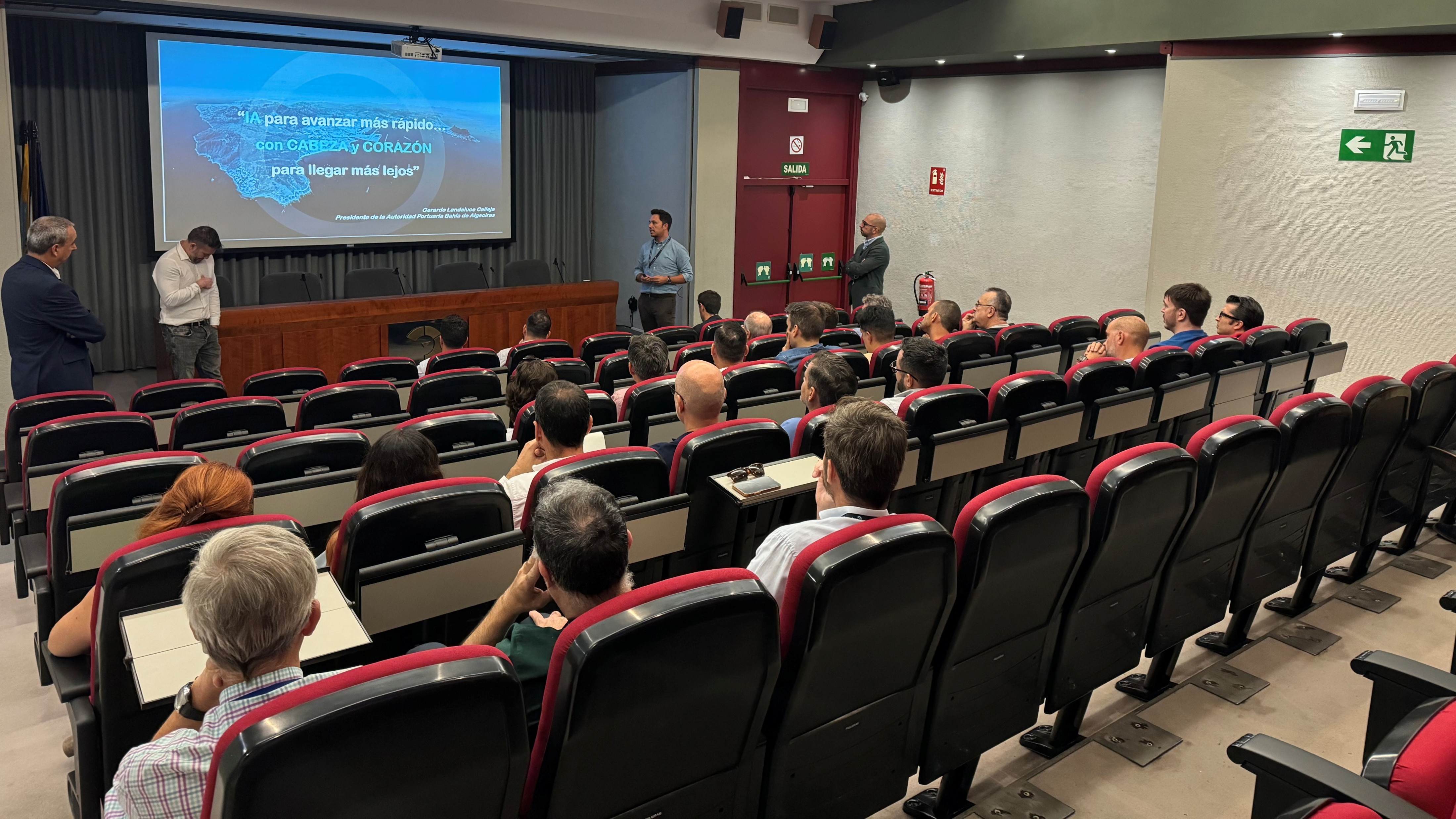
At the beginning of October, the APBA Auditorium hosted a new in-person OKR review session, corresponding to the third quarter of 2026. The meeting brought together the ADT team and its main collaborators, including the Innovation Technical Office (OTI), the Advanced Digital Services Centre (CASD), the Software Development Team, and the User Support Centre (CSU). The session provided an opportunity to review progress against key results, reinforce the messages of APBA’s IT and innovation strategy, gain visibility into the status of major ongoing projects and industry trends, and coordinate efforts ahead of the final quarter of the year.
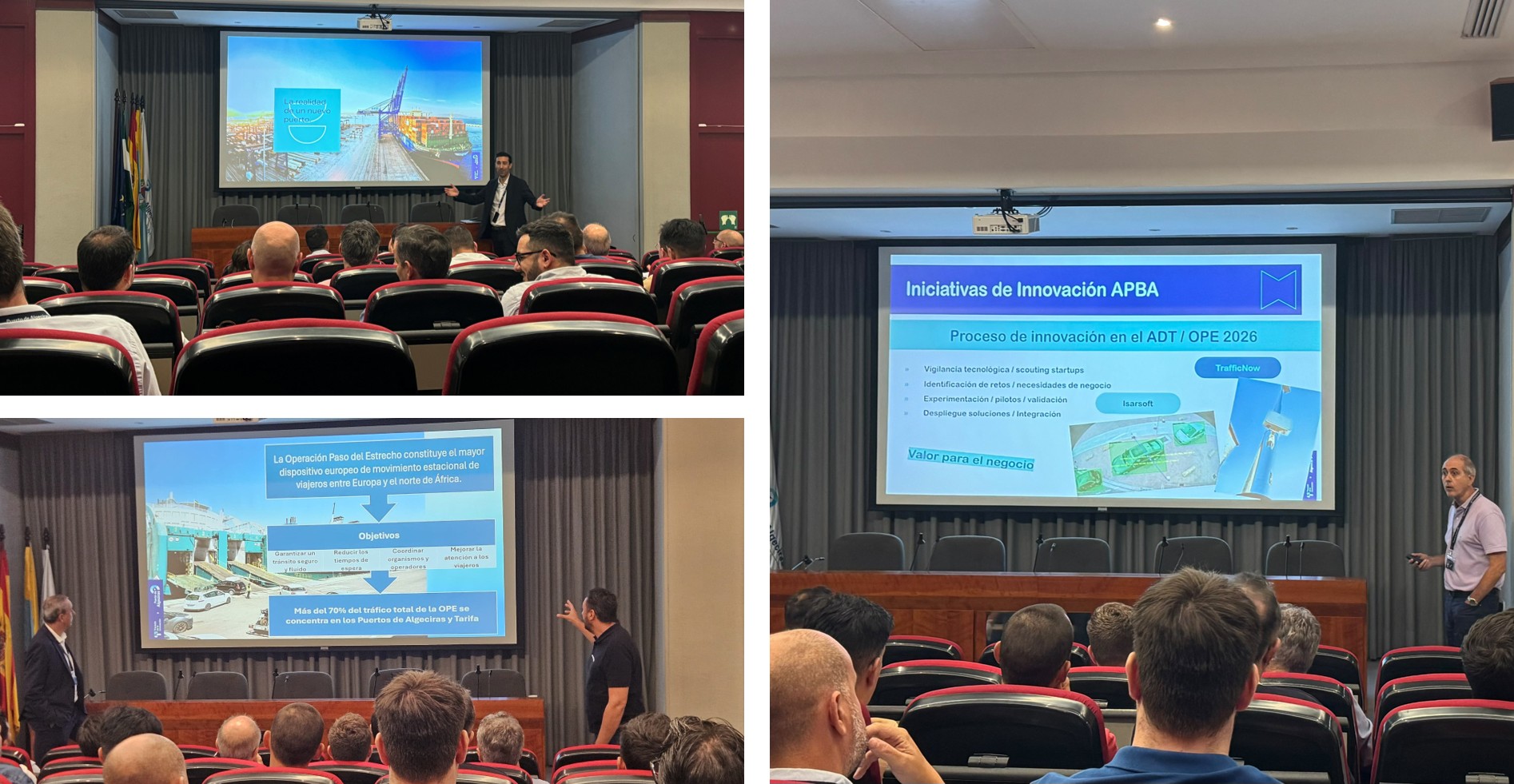
More specifically, the session reviewed the outcomes of the 2026 Strait Crossing Operation (OPE), the most technological and innovative edition to date, in which more than a dozen critical systems operated in a coordinated manner. Progress in cybersecurity and technology infrastructure was also highlighted, together with updates on APBA’s Artificial Intelligence (AI) roadmap. In the field of innovation, participants shared the results achieved by the Digital Entrepreneurship Centre during the first edition of the Mission Programme, with 11 start-ups onboarded and the launch of the SonaGrid project. Finally, the session reviewed the achievements of the Software Development Contract, which in less than 18 months has delivered 11 products and 4 mobile applications.
The OKR methodology originated at Intel, where Andy Grove developed it in the 1970s as an evolution of Peter Drucker’s Management by Objectives approach. Grove enhanced the model by introducing measurable key results and shorter review cycles. Years later, John Doerr brought the methodology to Google, where it became one of the most widely adopted management tools among technology-driven and innovative organizations worldwide.


Leave a Reply