
Summary:
Noise management represents a significant challenge in port environments, both from an environmental and an operational perspective. The wide range of activities taking place within a port, together with the presence of vessels, vehicles, machinery and other assets, creates a complex acoustic environment in which it is not sufficient to know noise levels alone. It is also necessary to identify their source, interpret detected events and obtain information that supports rapid and informed decision-making.
The Port Authority of the Bay of Algeciras (APBA) recognises the growing demands in the fields of environmental management, sustainability and port operational improvement, where acoustic emissions monitoring plays an increasingly important role from both regulatory and operational perspectives.
In this context, following the completion of an initial technological validation phase, the next step is to validate an advanced acoustic monitoring and analytics infrastructure based on Artificial Intelligence (AI), capable of enhancing real-time analysis and decision-making capabilities.
For this reason, APBA is promoting the SonaGrid project, an initiative aimed at validating an innovative solution for advanced acoustic monitoring and analytics. The initiative will enable the transition from a reactive monitoring model to a proactive analytical system capable of identifying, classifying and analysing relevant acoustic events under real operating conditions.
This initiative is also part of APBA’s open innovation and digital transformation strategy, which seeks to promote the identification, validation and adoption of innovative technologies capable of addressing the current and future challenges of the logistics-port ecosystem. The project is supported by the Digital Entrepreneurship Centre in Port Logistics of the Port of Algeciras Bay, developed under the Misión initiative, promoted by the Regional Government of Andalusia through the Andalusian Digital Agency.
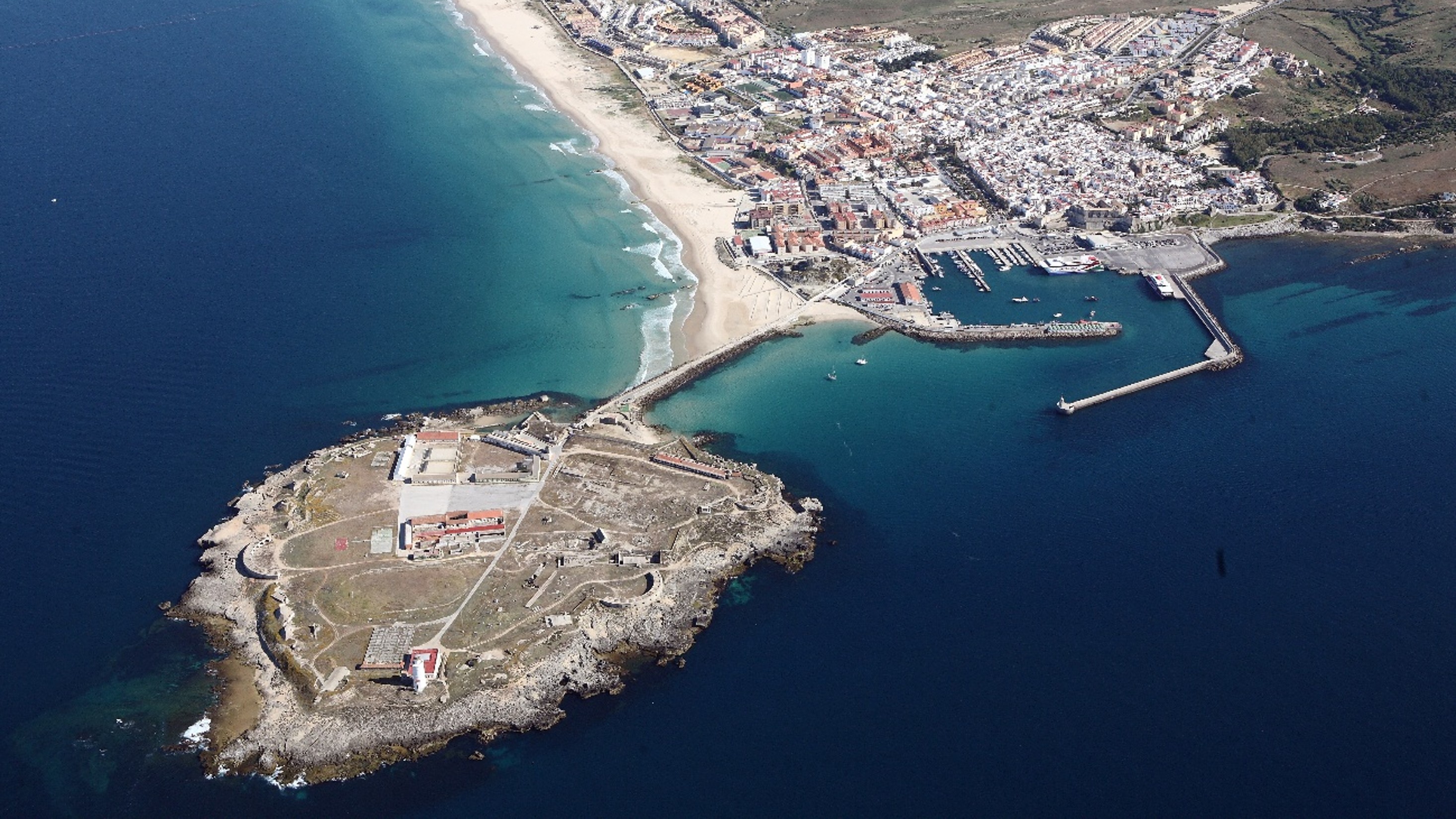
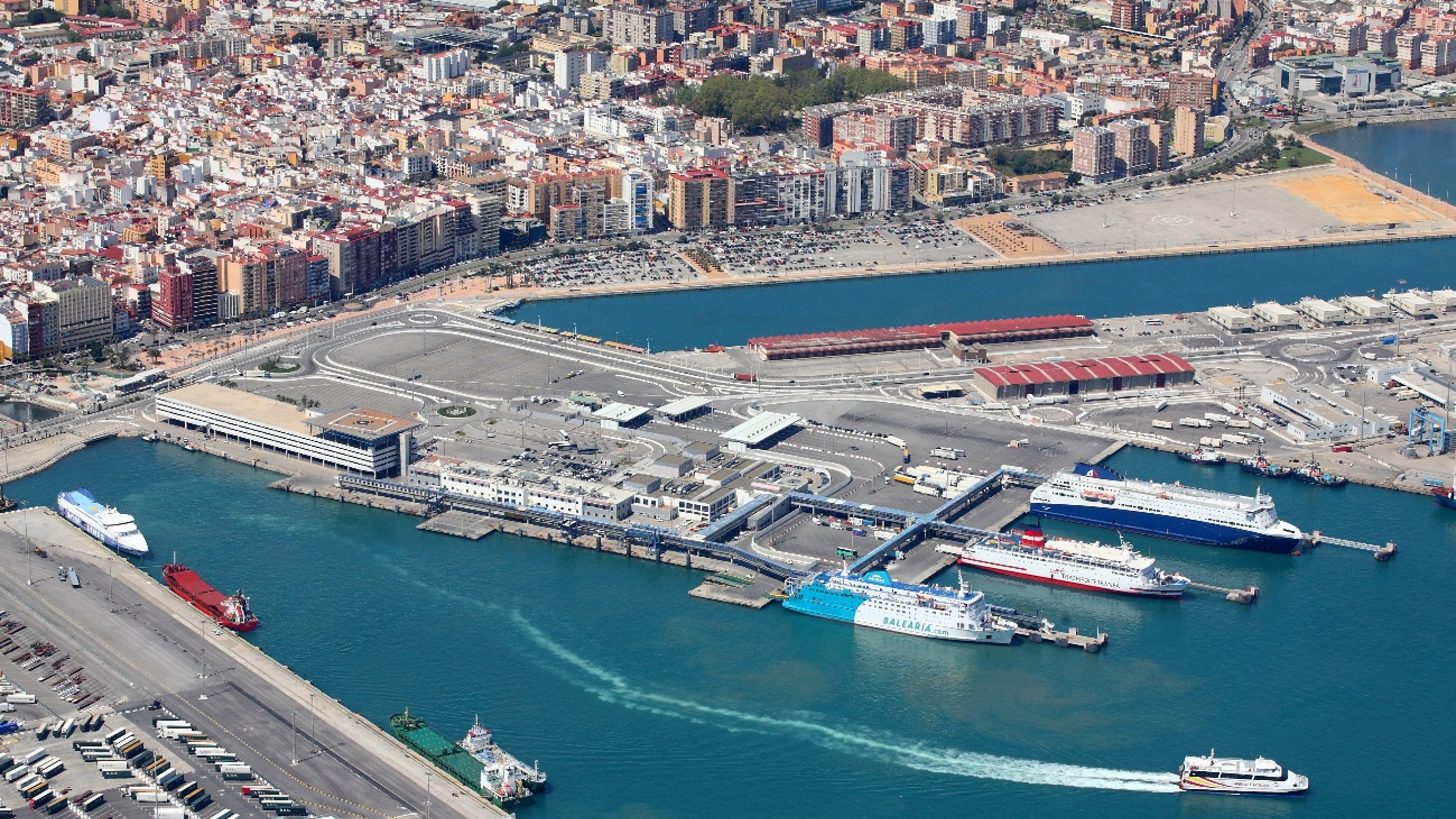
The project builds upon a first phase of technological validation and proposes the deployment of a multi-port acoustic intelligence network comprising 12 autonomous nodes distributed across the ports of Algeciras and Tarifa. These devices will feature edge AI processing, hybrid connectivity (LoRaWAN and 5G), and autonomous power supply systems.
Unlike traditional systems, the solution will not be limited to measuring noise levels. Through Machine Listening models, the network will be able to detect acoustic events, classify different noise sources and reduce false alarms caused by environmental factors such as wind or wildlife. The models will be specifically trained using data collected from the ports of Algeciras and Tarifa to ensure adaptation to their unique operational contexts.
The solution is designed to operate under the demanding conditions typical of maritime-port environments, characterised by exposure to salinity, adverse weather conditions and high acoustic variability associated with maritime traffic, machinery and natural phenomena.
Expected results:
- Deploy an acoustic intelligence platform across the ports of Algeciras and Tarifa, capable of continuously monitoring the acoustic environment.
- Automatically identify and classify noise sources and relevant acoustic events using artificial intelligence models trained specifically for the port environment.
- Enable a more proactive and data-driven management approach to environmental and operational issues by providing contextualised information and real-time alerts.
- Integrate acoustic information with APBA’s corporate systems for its exploitation in dashboards and decision-making processes.
- Generate knowledge and evidence to evaluate the future scalability of this technology and its application to sustainability, environmental management and port operations initiatives.


Leave a Reply