
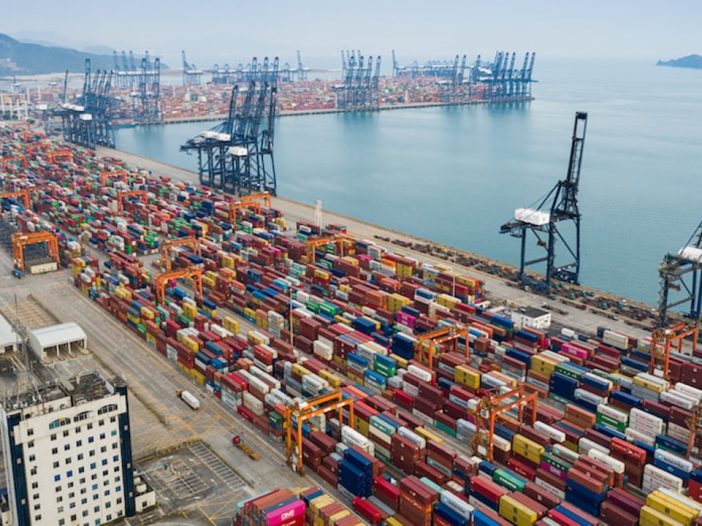
The study entitled, «Competitive Gain in the Ocean Supply Chain: Innovation That’s Driving Maritime Operational Transformation» and completed by BPI (Business Performance Innovation) in collaboration with NVIS and XVELA, examines and debates how the logistical chain and maritime supply is facing the challenges and technological challenges and the new business models of the industry. The […]
Blog
Port Productivity: Finding new efficiencies through collaboration
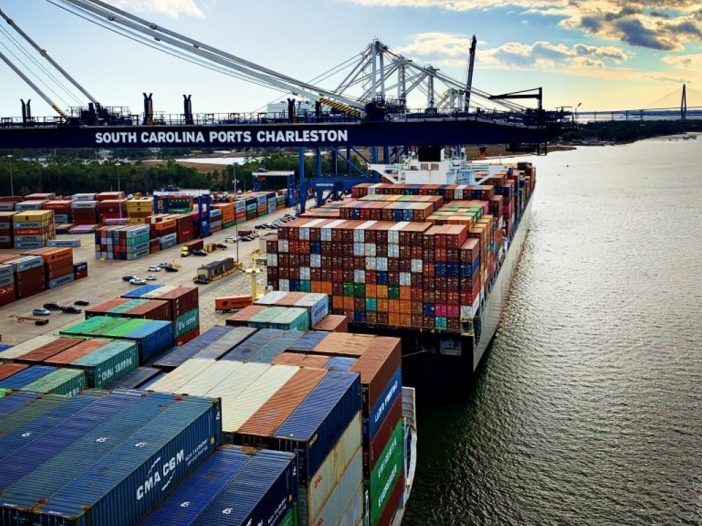
The article «Port Productivity: Finding new efficiencies through collaboration» gives a summary of the main conclusions that were reached in the Workshop on Port Productivity organized in Hamburg at the end of 2016. In this event, the main Port Authorities, Terminal Operators, Shipping Companies and technological suppliers participated. the focus on identifying obstacles, needs, as […]
DP World Australia, DB Schenker, Hamburg Sud collaborate to experiment with the new Blockchain technology
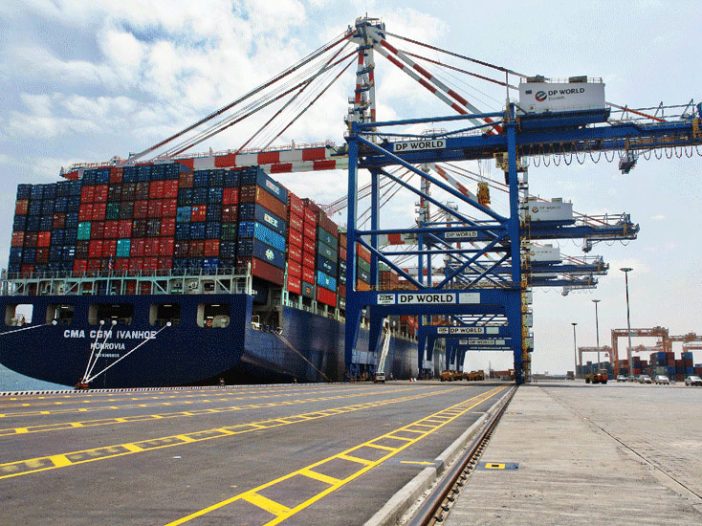
The new system with blockchain technology called TBSx3 and of Australian origin has been successfully tested in the logistics chain that runs between the wine region of Coonawarra, in Southern Australia, and the port of Qingdao, in Northwestern China. Among the partners that participated in the pilot test were the terminal operator DP World Australia, the logistic operator DB Schenker, the Hamburg […]
Consulta preliminar del mercado del Sistema Avanzado de Predicción de la Operatividad Buque-Infraestructura
Objeto del anuncio La finalidad del proceso de Consulta Preliminar del Mercado (punto de partida del expediente de Compra Pública Innovadora) es que la APBA adquiera el conocimiento suficiente sobre las soluciones más novedosas para abordar las necesidades funcionales del proyecto SISTEMA AVANZADO DE PREDICCIÓN DE LA OPERATIVIDAD BUQUE-INFRAESTRUCTURA. Esta consulta pública es abierta, y tiene como […]
PMS
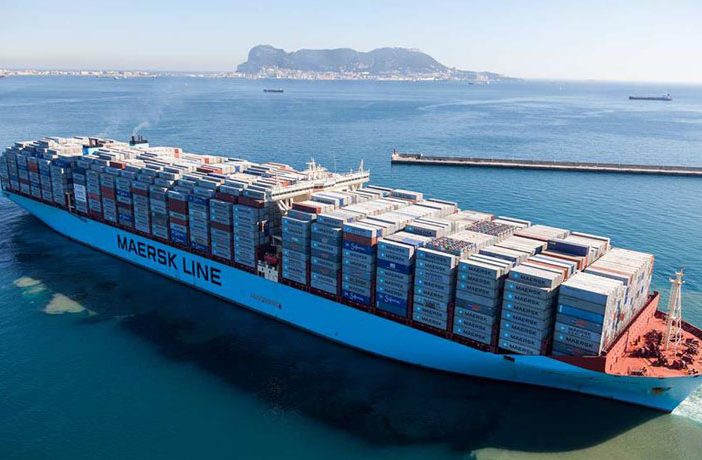
Resumen: El proyecto tiene como objetivo el desarrollo de un sistema de gestión portuaria (PMS, en sus siglas en inglés) para la APBA, y para esta primera fase, focalizado en operaciones marítimas. El PMS es un concepto amplio, basado en la integración de sistemas, que funciona como una plataforma con interfaz única y que permite […]
SG3iEV
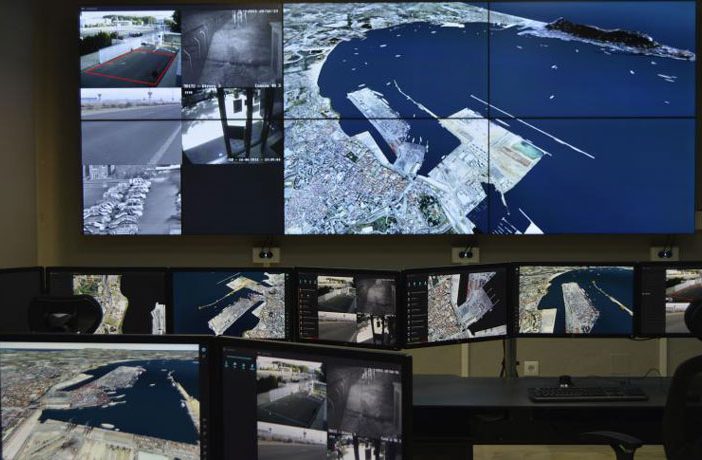
Resumen: El objetivo del proyecto “SG3iEV” es desarrollar un sistema que permita integrar y gestionar, desde una interfaz única, todos los sistemas de seguridad y protección existentes en la APBA. El propósito que hay detrás de este proyecto es estandarizar y semi-automatizar los procesos de control y seguimiento más comunes y permitir a protección portuaria […]
Modelo hidrodinámico de alta resolución en la Bahía de Algeciras
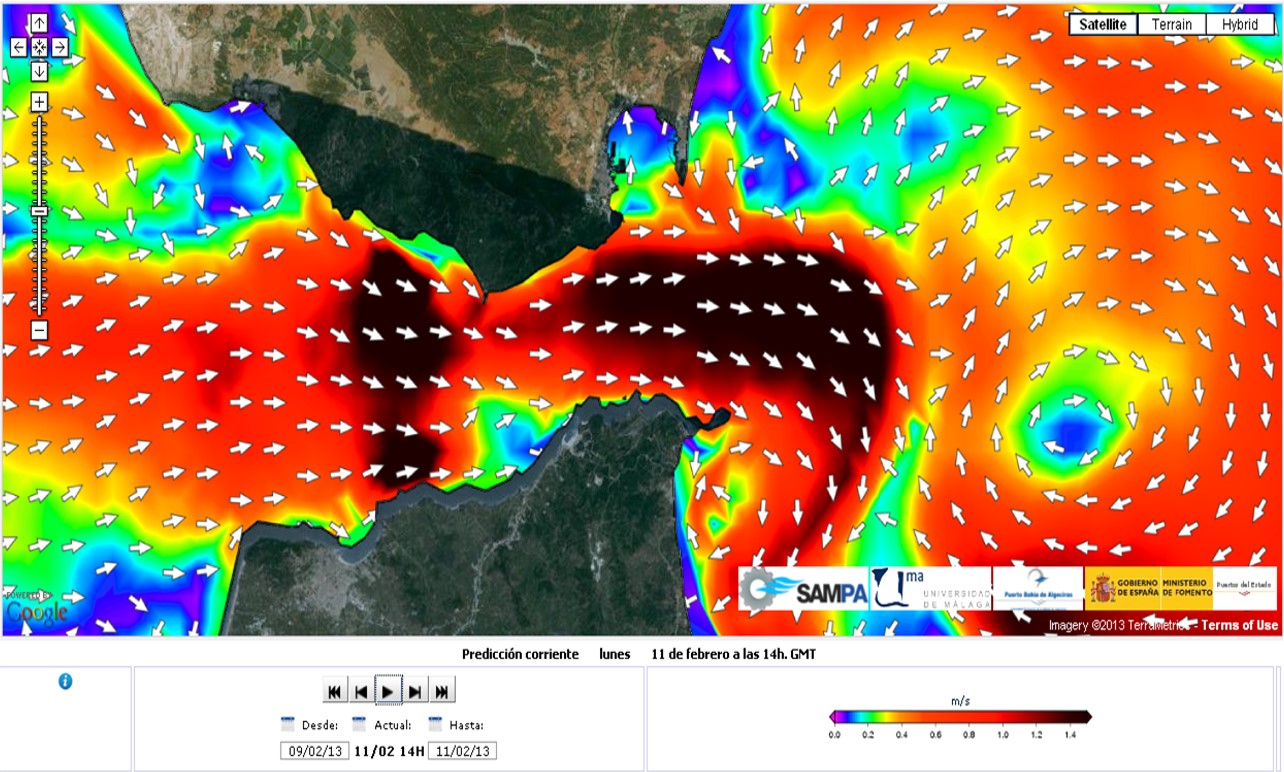
Resumen: El objetivo particular del proyecto es desarrollar un nuevo modelo de alta resolución para caracterizar las corrientes en el interior de las dársenas portuarias y, por otra parte, resolver las anomalías observadas en el modelo hidrodinámico desarrollado para el Estrecho de Gibraltar y la Bahía de Algeciras (modelo de SAMPA), validar dicho modelo, y […]
SafePORT
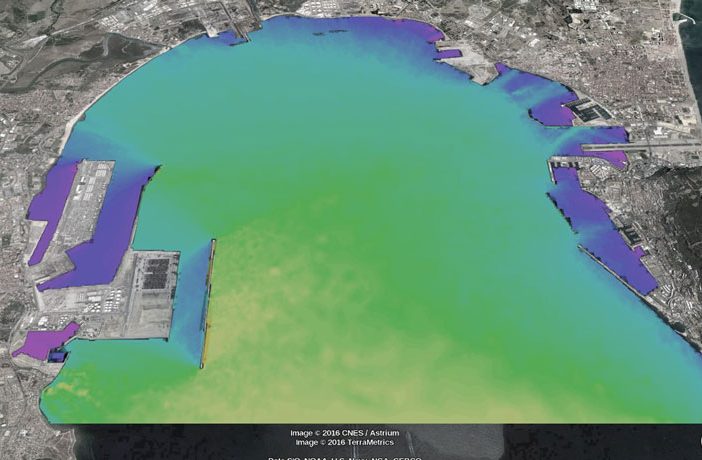
Resumen: El objetivo del proyecto Algeciras SafePort es mejorar la gestión de riesgos océano-meteorológicos en entornos portuarios para que la Comunidad Portuaria pueda planificar y desarrollar su actividad de una manera más segura, eficiente y sostenible. Con este objetivo, el proyecto ha permitido caracterizar el medio físico a las áreas dónde se desarrolla la actividad portuaria, […]
OptiPORT
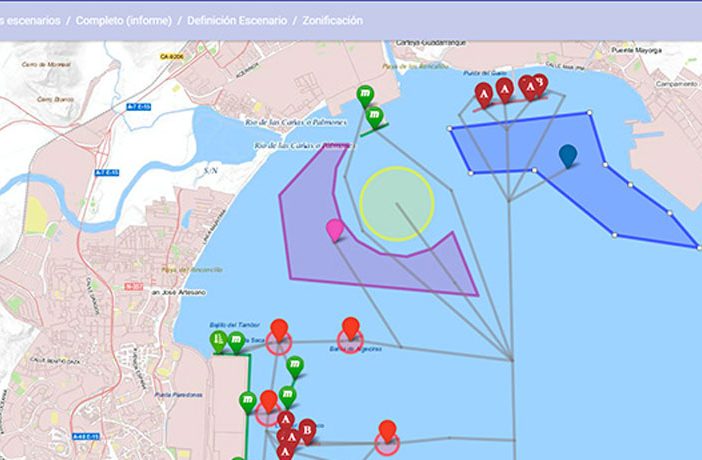
Resumen: El objetivo del proyecto OptiPort es desarrollar una metodología integral de simulación de la operativa portuaria a partir de la utilización de técnicas probabilísticas e implementarlo en una herramienta informática que sirva de apoyo a los gestores portuarios en la toma de decisiones a medio-largo plazo. Ello permitirá identificar los puntos críticos que puedan surgir […]
Hércules
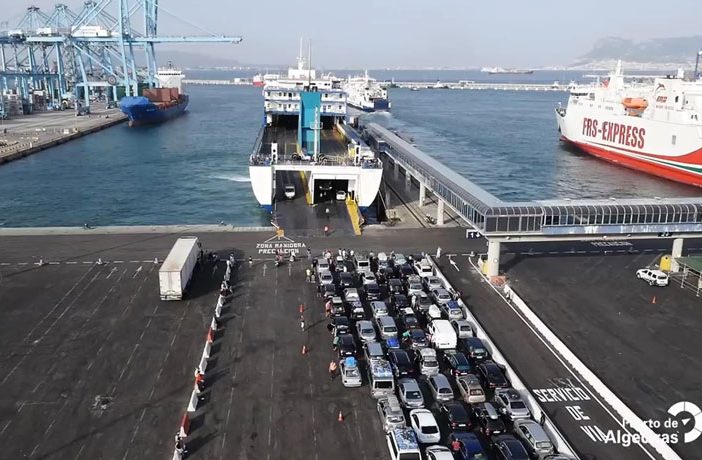
Resumen: El objetivo del proyecto Hércules es desarrollar una plataforma TIC de gestión integral operativa de la OPE que permita obtener una visión global de la operativa, monitorizar en tiempo real los procesos operativos y el estado de ocupación de las parcelas y gestionar de forma eficiente la movilidad portuaria atendiendo cualquier incidencia y garantizando […]
BrainPort Analytics
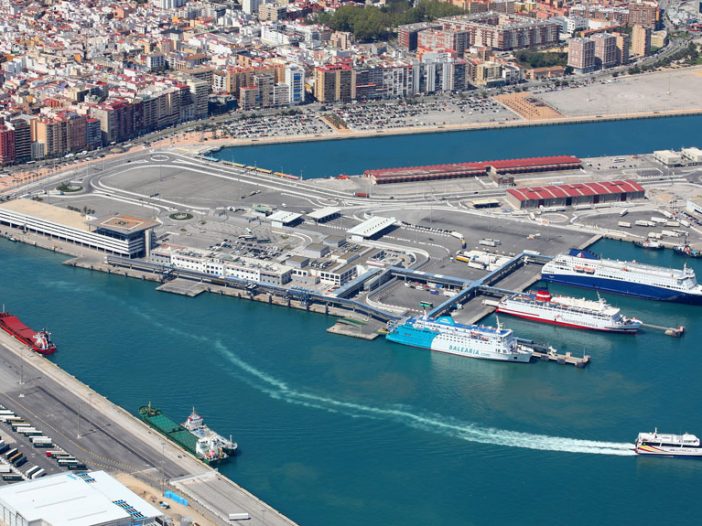
Resumen: El objetivo del proyecto BrainPort Analytics es desarrollar una metodología para monitorizar, a partir de una red de sensores eficiente, los procesos operativos (físicos y administrativos) que tienen lugar en los puertos gestionados por la APBA e implementar un sistema analítico basado en herramientas BigData y Business Ingelligence (BI) para procesar grandes volúmenes de […]
PSA Singapore launches the creation of the PSA Living-lab for the co-creation of innovations in the field of logistic-port operations
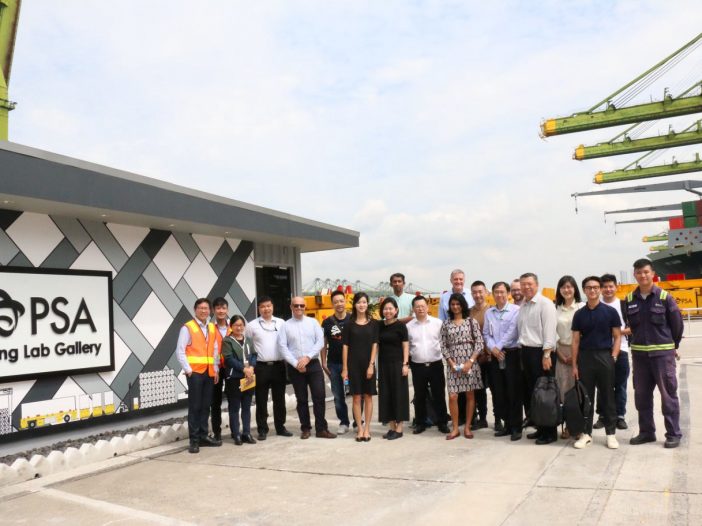
The PSA Singapore Corporation, one of the largest terminal operators at the international level, with the support of the Economic Development Board (EDB) and the Port-Maritime Authority of Singapore (MPA) have created a «Living Lab» to improve the efficiency of operations in the terminals of the Port of Singapore. The PSA Living-Lab laboratory will allow […]
IBM and MAERSK bet on BLOCKCHAIN technology
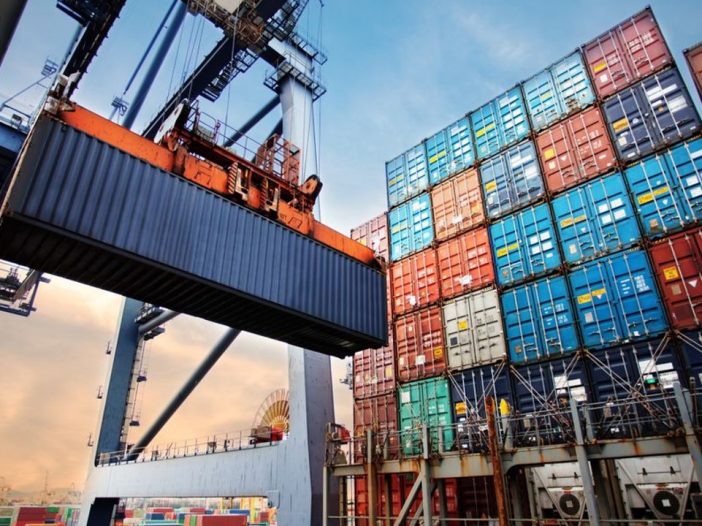
IBM, one of the technological giants with more experience in Blockchain, and the Maersk Group, leader in container transport, announce a collaboration to digitize and expedite international trade transactions through the use of blockchain technology. The proposed solution will significantly streamline document management and bureaucratic controls, reduce fraud in customs controls and errors in annotations, […]
Globcurrent, optimization of maritime routes based on real-time data of ocean currents

The Globcurrent project of the ESA (European Spatial Agency) has merged the different measurements to generate an image of the daily sea currents during the last 24 years. Shipping companies may use this information to understand the characteristics of surface circulation in certain regions and obtain data in near real time, so that they can […]
NxPort, the new data platform of the Port Community of Antwerp

At the beginning of 2017, the Port Community of Antwerp launched the new digital platform NxtPort, an ambitious initiative that aims to increase the competitiveness of the Port of Antwerp through the strategic and innovative use of data. Through this project, the exchange of data between the different actors will be favored, the processes will […]
3D printing of metal parts in the Port of Rotterdam
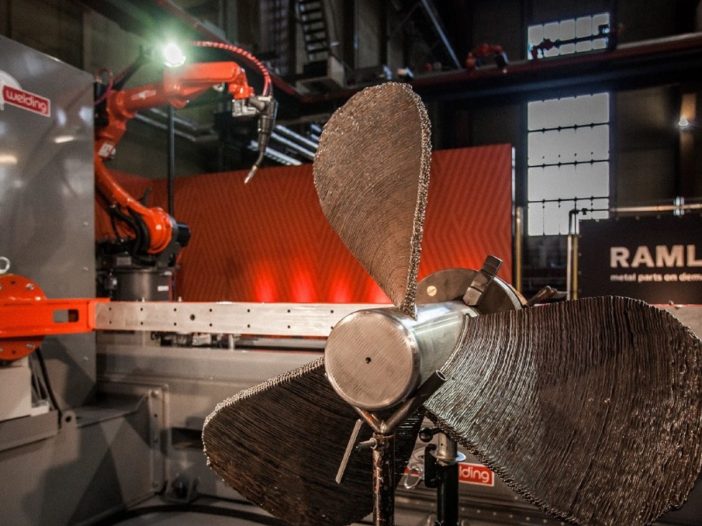
The Port of Rotterdam inaugurated at the end of 2016 the first laboratory of additive manufacturing and 3D printing of metal parts focused on the port industry (3D FieldLab). The success obtained in the development of the pilot project during 2015 led to the construction of this FieldLab, which will be located in the Innovation […]