
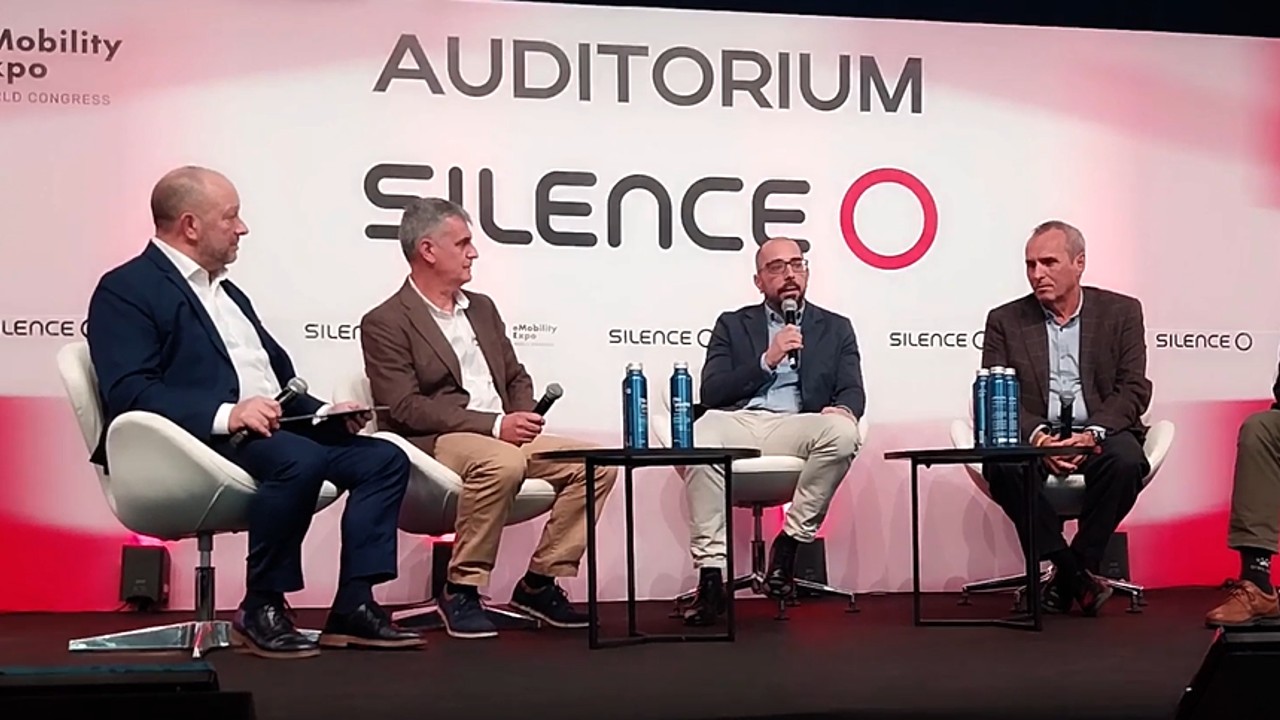
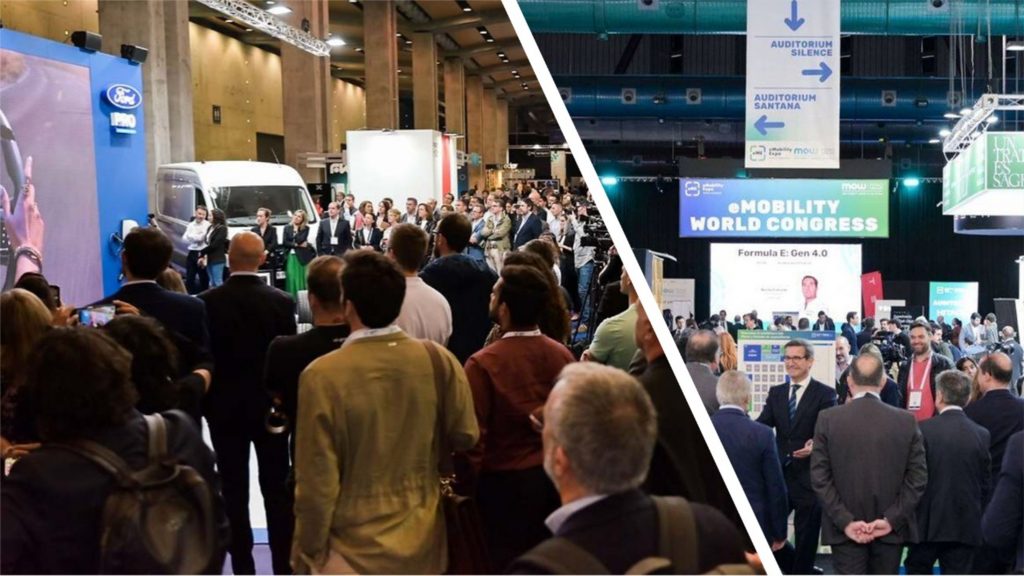
The Port Authority of the Bay of Algeciras (APBA) took part in the eMobility Expo World Congress – MOW 2026, the largest European professional event dedicated to sustainable, connected, autonomous and electrified mobility, held on 10 and 11 March at the Málaga Trade Fair and Congress Center (Fycma).
The event brought together more than 375 international speakers, 180 stakeholders and over 200 exhibiting companies to analyse the trends and technologies transforming transport, the future of mobility, and sectors such as maritime-port and aviation.
The programme was structured into a series of vertical forums covering the entire value chain of sustainable mobility, allowing for in‑depth exploration of specialised domains and fostering cross‑sector connections. Highlights included the Automotive Forum, the Hydrogen Forum, the Integrated Transport Systems Forum, the Urban & Micro Mobility Forum, the Maritime Transport Forum and the Logistics Forum, along with others focused on energy, batteries, rail, air mobility and talent.
The APBA specifically took part in the Maritime Transport Forum through a roundtable titled “Ports, the power of data: what does the future hold?” featuring Salvador León, Head of the Digital Transformation and Innovation Division, within the Technological Development Area. The discussion was moderated by Juan Manuel Martínez, President of the Spanish Transport Association (AET), and also included Mafran Martínez, Head of the Technology and Information Systems Department at the Port Authority of Huelva; Fernando Arjona, Head of the Information Technologies and Innovation Division at the Port Authority of Málaga; and Ignacio Palomino, Head of the Information and Communications Systems, New Technologies and Innovation Department at the Port Authority of the Bay of Cádiz.
The roundtable explored how ports are evolving into advanced digital ecosystems where data becomes the main driver of efficiency, sustainability and logistics coordination. The discussion focused on how real‑time data capture and integration enable the optimisation of operational flows, the anticipation of incidents, emissions reduction and improved decision‑making, supported by technologies such as Artificial Intelligence, Digital Twins and data spaces.
Salvador outlined how the Port of Algeciras is progressing towards a Next‑Generation Port model, built on a digital ecosystem that provides real‑time visibility and predictive and prescriptive capabilities to strengthen competitiveness and achieve operational excellence. In this context, he highlighted data integration with the Port of Tanger Med as a key example enabling improved operational planning, and referenced projects in which information sharing is essential —such as the Port Collaborative Decision-Making (PortCDM) tool— instrumental to the designation of the Port of Algeciras as one of the seven global hubs of the Gemini alliance (Maersk – Hapag Lloyd), thanks to its role as operational orchestrator of the port ecosystem and value creator.
Finally, he stressed the importance of developing a technologically agnostic approach, always open to exploring new solutions as long as they are aligned with its “platform of platforms” model, integrating all solutions through the Corporate Platform for System Integration (PCIS), which acts as an effective and efficient integration backbone for business applications and data supporting port‑logistics processes.


Leave a Reply