
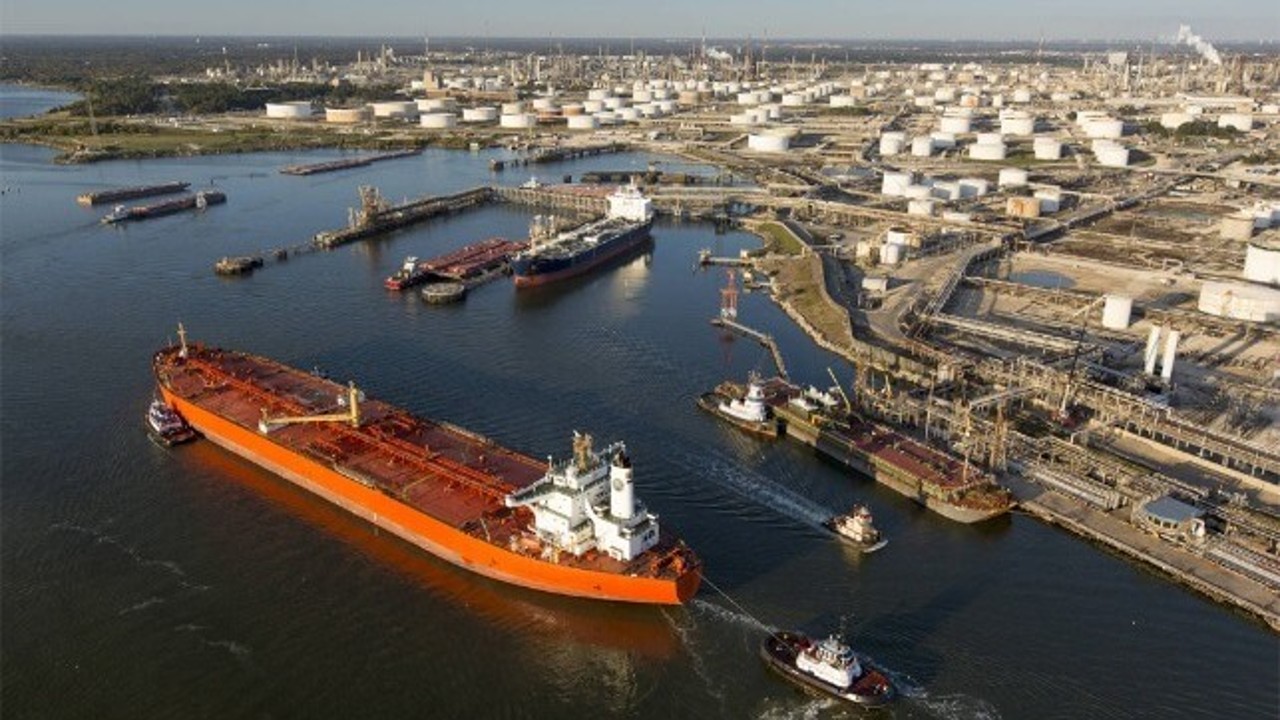
New energy carriers—such as methanol, ammonia, hydrogen, e‑fuels and advanced biofuels—introduce operational challenges fundamentally different from those associated with conventional marine fuels. Because these substances are chemically sensitive, contamination‑prone and potentially hazardous, closely tied to plant operations and regulated handling sequences, they demand far more precise coordination among multiple stakeholders. As a result, they cannot be managed under the traditional bunkering model. Their adoption effectively turns energy logistics into complex chemical logistics with strict requirements for synchronization and near‑zero tolerance for error.
Chemical supply chains operate with extremely tight margins. Storage tanks are often product‑specific, run close to capacity, and are embedded in production and safety processes. This severely limits real availability and makes operational adjustments difficult. In this context, uncertainty is more damaging than delay: without reliable signals on arrival windows, facility readiness or sequence changes, actors must reserve extra capacity or maintain high inventory levels, increasing costs and reducing flexibility.
Although shipping lines, terminals, producers and inland operators have optimized their internal processes, these efficiencies occur in isolated systems, without the end‑to‑end visibility needed to manage chemically sensitive flows that rely on tight synchronization. Experience in chemical and liquid bulk chains shows that small deviations early in the process can significantly erode route efficiency, sequencing, fleet utilization and plant performance. Ports play a pivotal role here, as they concentrate storage, berth and intermodal operations while generating the primary operational data required to coordinate the chain with precision.
To progress toward coordinated flows and move beyond siloed operations, the sector is shifting toward structured digital collaboration and Just‑in‑Time (JIT) operating models, enabled by neutral digital architectures and shared standards. Initiatives such as Virtual Watch Tower (VWT) and TWIN frameworks demonstrate how structured exchange of operational events can improve coordination between ports, terminals and the chemical industry while safeguarding commercial confidentiality through selective and minimal information sharing.
“Early deviations in chemical supply chains degrade routing, sequencing and asset efficiency, with cascading impacts across plants, fleets and terminals.”
The main inputs and contributions are:
- Chemical logistics operate with minimal slack. Product‑specific tanks running near their limits mean that any deviation can block critical capacity. With logistics costs representing 15–25% of product value, misalignment carries a high opportunity cost, while small coordination gains can immediately unlock capacity and create value.
- The industry is highly optimized internally but poorly coordinated globally. Each actor—carriers, terminals, producers—operates efficiently within its own system, but the lack of integration and end‑to‑end visibility prevents effective management of the inherent complexity of chemical flows.
- Sharing planned, estimated and actual arrival/departure times—rather than simply tracking vessels—improves sequencing, resource allocation and deviation management without revealing commercially sensitive information.
- Ports generate critical primary data that extend the JIT concept beyond vessel arrival, enabling synchronization of plant sequences, inland flows and operational windows. This avoids deviations and bottlenecks across the entire logistics chain.
- In emerging green corridors, ports act as digital coordinators, integrating minimal but essential operational data: arrival windows, deviations and confirmed movements.
- The resulting benefits include absorbing production or voyage delays, re‑optimizing berths, storage tanks and inland flows, and reducing reliance on emergency storage, spot chartering and losses associated with low‑carbon fuels.
- Security of supply and the scalability of low‑emission fuels depend as much on end‑to‑end chemical logistics coordination as on production capacity.
- Governance—not technology—is the main bottleneck. The absence of trusted frameworks for sharing minimal operational signals among interdependent actors limits coordination, especially in liquid bulk ports and corridors.
- Early adopters of data‑sharing community models will set the standards and rules that the rest of the sector will eventually follow.
- Neutral digital infrastructure becomes a strategic asset for clusters and corridors, providing coordination support that commercial platforms cannot guarantee.
- Digital infrastructure is now as essential as physical infrastructure: without interoperable platforms, consistent data and multi‑actor synchronization, large‑scale adoption of low‑emission fuels will not be operationally viable.
“As low‑emission fuels and materials scale up, chemical logistics become a critical backbone of the energy transition—and data‑driven coordination becomes both a strategic capability and an operational necessity.”


Leave a Reply